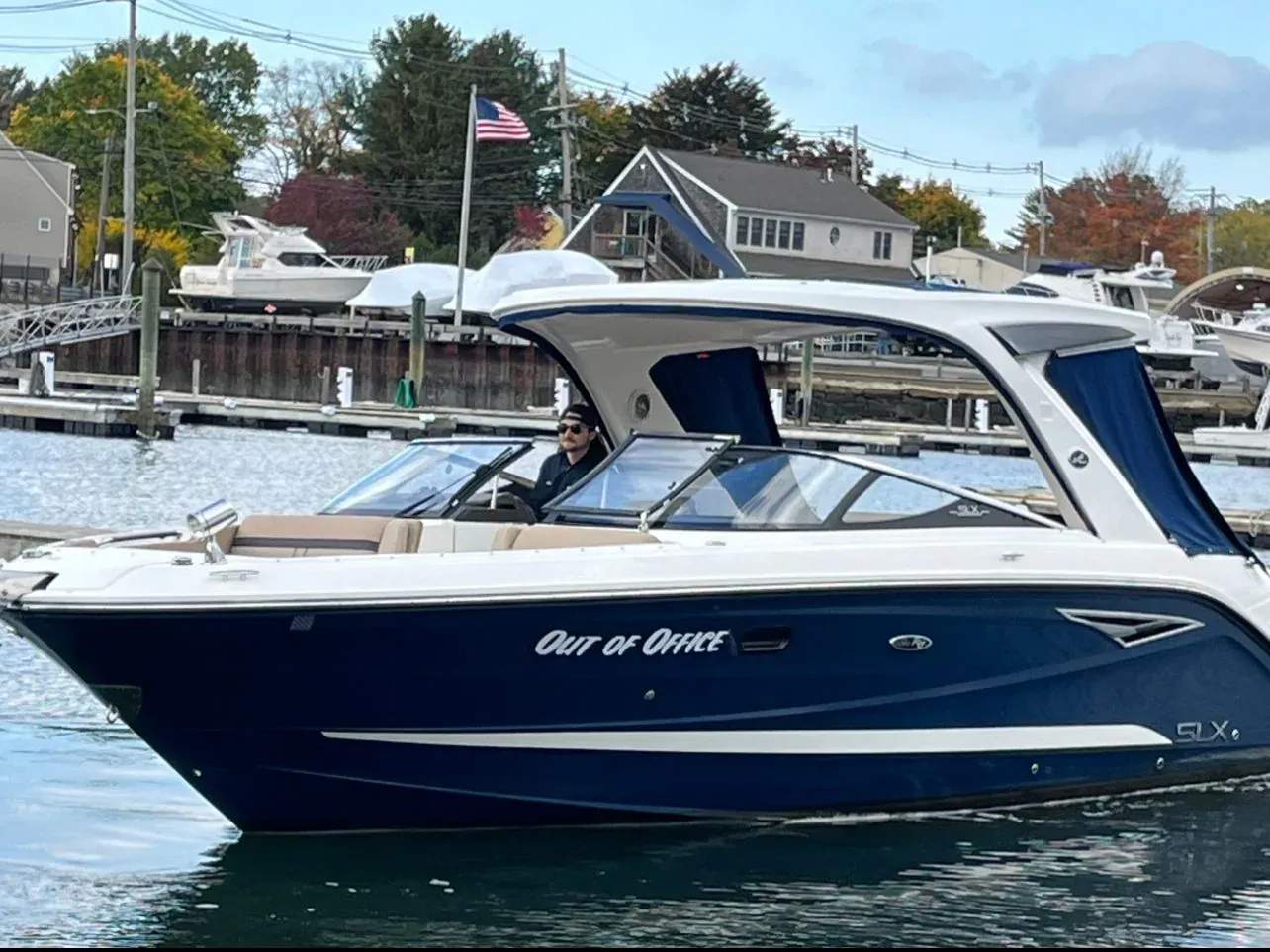
Ice-out is a declaration, not a feeling
Lake Winnipesaukee has an official ice-out, and the rule is specific: it is declared when the MS Mount Washington could navigate to all five of its ports — Center Harbor, Wolfeboro, Alton, Weirs Beach and Meredith. The call is made from the air by a spotter, and the record has been kept since 1888.
The extremes of that record are worth knowing because they show how wide the window is. The earliest ice-out ever recorded is March 17, 2024. The latest is May 12, 1888. Across the record the average has moved earlier — reporting on the dataset puts the shift at roughly nine days, from about April 23 to about April 14. Ice-out 2026 was declared on April 13.
The other end of the season is less precise, and this guide is not going to pretend otherwise. The MS Mount Washington runs from late May into late October and marinas haul out on their own schedules. There is no published common haul-out date for the lake, so the only honest answer about yours is to ask your marina.
The calendar
- February – March
- Book spring commissioning now. The work is done in the yard on a boat that is still on stands, and the queue is set long before the ice moves.
- Mid-March – April
- Ice-out. Declared when the MS Mount Washington could reach all five of its ports — Center Harbor, Wolfeboro, Alton, Weirs Beach and Meredith. Earliest on record: March 17, 2024. In 2026 it was called on April 13.
- April – May
- Commission and launch. De-winterize, batteries in and load-tested, impeller and belts checked, run it up and check the safety gear before the first long run.
- Late May
- The MS Mount Washington starts its season, which is the practical marker that the lake is fully open.
- June – August
- Peak season and the busiest water of the year, especially around Weirs Beach and Paugus Bay. This is when a mid-season check earns itself: fluids, impeller tell-tale, belts and battery.
- September
- Book winterization. Not do it — book it. Fall books out, the same as spring.
- October
- Layup. The MS Mount Washington runs into late October. Fogging, fuel stabilized and circulated, every water passage drained, gear lube changed, batteries out or on a maintainer, then covered.
- November – January
- The boat sits. What was done in October decides what May costs. This is also the quietest window for the bigger jobs — rebuilds, repowers, electronics — with nobody waiting on the water.
Why October decides what May costs
Nearly every expensive spring phone call started the previous autumn. Fuel that was not stabilized, a drain that was missed, a battery left discharged all winter, gear lube that already had water in it — none of those make a noise in November. They make a noise at the ramp.
Fuel is the one that catches most owners out. Pump gasoline in most of the United States contains up to ten percent ethanol, which attracts moisture and degrades while it sits. A fuel system that was fine in October can be the entire problem in May, and that is not a fault that developed over the winter so much as one that was installed in the autumn.